SENSORMATIC 0351-0999-02 Switch Alarm Module Eas Label Deactivators
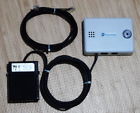
( Brand: Sensormatic ), ( Manufacturer Part Number: 0351-0999-02 ), ( Part Type: Switch Alarm Module )
Review SENSORMATIC Foot Switch Alarm Module Eas Tag Label Deactivators
The Sensormatic 0351-0999-02 Switch Alarm Module EAS Label Deactivators are a vital component in any retail loss prevention strategy. This product is designed to work seamlessly with Sensormatic EAS (Electronic Article Surveillance) systems, providing an efficient and reliable method for deactivating security labels on merchandise.
The Switch Alarm Module is a compact, yet powerful device that can be easily integrated into existing EAS systems. It features multiple deactivation modes, allowing retailers to choose the best option for their specific needs. The module is equipped with a user-friendly interface, making it simple for store personnel to operate, even during high-volume shopping periods.
One of the standout features of the Sensormatic 0351-0999-02 Switch Alarm Module is its ability to deactivate EAS labels without the need for direct contact. This contactless feature reduces the risk of damaging sensitive merchandise, such as electronics or fragile items. The module also includes a built-in LED indicator, providing clear visual feedback to ensure successful deactivation.
The Switch Alarm Module is designed with durability in mind, made from high-quality materials that can withstand the rigors of daily use in a retail environment. It is also compact and lightweight, making it easy to transport and store when not in use.
In conclusion, the Sensormatic 0351-0999-02 Switch Alarm Module EAS Label Deactivators are an essential tool for retailers looking to protect their inventory and reduce shrinkage. With its multiple deactivation modes, contactless feature, user-friendly interface, and durable construction, this product provides retailers with a reliable and efficient solution for managing their EAS security labels.
Pros of buying Sensormatic Switch Alarm Module EAS Label Deactivators (Model 0351-0999-02):1. Compatibility: This device is designed to work with Sensormatic EAS systems, ensuring seamless integration with your existing security setup.
2. Efficiency: The deactivators can quickly and easily deactivate EAS tags on a variety of items, saving time compared to manually deactivating each tag.
3. Durability: The Switch Alarm Module is built to withstand regular use, ensuring it lasts a long time and provides reliable service.
4. Convenience: The deactivators can be handheld or mounted, offering flexibility in how you use them.
Cons of buying Sensormatic Switch Alarm Module EAS Label Deactivators (Model 0351-0999-02):1. Cost: The deactivators can be expensive, which may be a deterrent for some businesses with tighter budgets.
2. Limited compatibility: While the deactivators are designed to work with Sensormatic EAS systems, they may not be compatible with other EAS systems, which could be a limitation if you are switching systems or have a mixed-system environment.
3. Requires training: Properly using the deactivators may require training, which could add to the initial cost and time investment.
Conclusion:If you are looking for a reliable, efficient, and durable EAS label deactivator for your Sensormatic system, the Switch Alarm Module is a strong option to consider. However, it is important to weigh the cost and limited compatibility against the benefits, and consider whether the additional training required is worth it for your business. If you are on a tight budget or have a mixed-system environment, you may want to explore other options that offer more flexibility or lower cost.
Recommendation:If you are committed to using Sensormatic EAS systems and have the budget for the Switch Alarm Module, it is a worthwhile investment for the efficiency and convenience it offers. However, if you are looking for a more affordable option or need a deactivator that works with multiple EAS systems, you may want to consider other options on the market. Ultimately, the best option for you will depend on your specific needs and budget.
Details:
It beeps when the deactivator detects an Acosta-magnetic am tag or label and allows easy deactivation of through a foot switch. It is used to turn deactivator on off.
part #: 0351099902 price
- $19.99
specifications securityretaili:
- brand: Sensormatic
- mpn: 0351-0999-02
- part type: Switch Alarm Module
Offer securityretaili:
- Sold: 0
- bids: 0
- Started: May 11, 2018, 3:43 pm
- quantity: 3
- best offer: false
Payments securityretaili:
- PayPal
Shipping securityretaili:
- type: Flat
- cost: $0.0
- handling: 1 days
General securityretaili:
- in stock: Yes
- business industrial > retail services business industrial > securitysurveillance retail services
- condition: Seller refurbished
Seller securityretaili:
- zipcode: 34747
- city: Kissimmee, Florida
Returns securityretaili:
- time: 14 Days
- policy: returns accepted
- details: Returns accepted if returned in new, unused condition so that it can be re-stocked and sold as new condition to other customers. We employ techniques to detect return fraud; and if detected we report to appropriate authorities.
- type: Money Back
- paid by: Buyer
Ratings:
- Good seller! 5 stars!!!! 05-04-18
- Great product, Outstanding seller, great communication, super fast shipping! 05-11-18
- Great A 05-02-18
- Great would do business with again! 05-05-18
- Thank you. USPS gave it a tour of Michigan 05-11-18
Sensormatic 0351-0999-02 Is Similar To:
- 0101-0328-01 Sensormatic Counter Top Am Eas Label Deactivator (66.7% similar) Manufacturer: Sensormatic condition: used. Shipping buyer pays for all costs. Notes: we did not have the resources to test this unit. Home contact about technology industrial lab test electrical semiconductor Sensormatic ZBAMB2011 counter top am eas label deactivator manufacturer: model: condition: ...(October 4th, 2018)
- 0300-2481-01 Sensormatic Door Max Eas Clear Acrylic Pedestal Anti Theft System (45.6% similar) Door is in great shape, no mount included. Pre-owned, Sensormatic door max eas clear acrylic pedestal anti theft system. Fast shipping...(October 21st, 2018)
- 0304-0035-2 Sensormatic Slimpad Label Deactivator Zbdmpspe Deac Zbsmpspe (53.9% similar) Used, tested properly working Sensormatic slumped label deactivator deac step-SD...(May 1st, 2018)
- 0352-0400-01 Tyco Sensormatic Install Kit For (44.8% similar) Just type in the part number or below and google will find it. Contact info. Some times you can find out more by doing a google search than asking me question. These offers are clearly marked as is. What you see is get. This would be the first place I go to answer most questions...(July 18th, 2018)
- 0630-1506-01 Tyco Sensormatic Ultrastrip Iii Security Tab Label (43.4% similar) ...(October 5th, 2018)
- 58khz Sensormatic Super Tag Ii Security (42% similar) Sensormatic super tag ii security tags with pins excellent condition pre owned technology: am 58KHZ works detached MK225-1, AMD 3050, 3050FM Sensormatic, gateway, amnesic, wag, systems...(February 18th, 2017)
- Zldrsing1 All-tag Sensormatic Tyco Brand Ultrastrip Iii Plain White 1 Box Of 5k New 731882524048 (27.3% similar) Thanks and happy buying. Pictures are actual item, please see for exact condition. Comes with everything that is pictured. Including postage and packaging. Contact message me with any questions new condition new...(April 2nd, 2016)
- Amb-1200 Sensormatic Label Deactivator P-n (52.5% similar) 2CM 6IN above its surface to deliver a consistent and effective operation. Two model options for flexible installing. E: this is a Sensormatic label deactivator AMB-1200 P/N essentials controller and deactivation pad for counter top of these were available at list time. The pads feature integrated ...(December 19th, 2017)
- Amb-1200a Sensormatic Label Deactivator Antenna (50.4% similar) This is my stock number regardless of label orientation, these units deactivate active am labels up to 10CM 4IN above the surface pad and detect 15. The pads feature integrated status indicators that provide visual and audible notifications when live labels are successful detected deactivated. Two ...(December 19th, 2017)
- Cbc-4020 Sensormatic Ultralink Smart Eas Tag (46.8% similar) Comes with only what is pictured. GSR veers 783 gs please see pictures for complete cosmetic condition. Does not come with any wiring or cords. Software or manual are not included...(January 14th, 2017)
- Door-max Sensormatic 2ps Anti-theft Eas (35.3% similar) ...(March 22nd, 2017)
